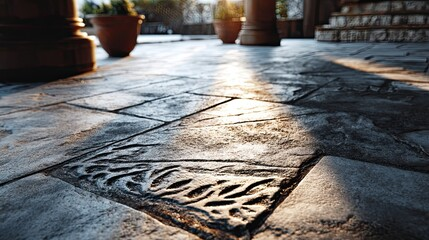
Staining is a popular technique for changing the color of a concrete slab without altering its texture. It uses water-based or acid stains that seep into the concrete surface, unlike paints that flake and chip.
The most common type of stain is an acid stain. This produces rich coloring and reveals differences in the concrete texture and defects. Visit https://decorativeconcretesolutions.biz/ for more details.
Versatility
Concrete is a highly versatile material. It can be molded and colored to mimic the appearance of other materials, such as stone or wood. It also holds up well against weathering, traffic and wear and tear. This durability makes it a smart choice for driveways, walkways and heavily used outdoor spaces around the home.
Stamped concrete is a popular choice for patios, pool decks and other outdoor surfaces where a textured surface is desired. It is often patterned to mimic the look of other materials, such as stone or tile, and can be colored to match the surrounding landscape or architectural style of the home. It is a great option for homeowners who want to customize their space and add value to their home.
Stained concrete is a more flexible option than stamped concrete, as it can be applied to both new and existing concrete surfaces. It can be stained in a variety of ways, including acid-based chemical staining and dyes. Stains work by chemically reacting with the minerals in concrete, creating a natural, sometimes unpredictable pattern. Concrete dyes, on the other hand, penetrate deeper into the concrete and offer more control over color. Both methods can be used to achieve a wide range of aesthetics, from subtle earth tones to bold, vibrant hues.
When it comes to maintenance, both options require regular cleaning and resealing to protect the concrete from the elements. Stained concrete may need to be resealed more frequently than other surfaces, as dirt and moisture can cause discoloration. Regular resealing will also help protect the concrete from cracking and fading.
Stamped concrete can be a smart choice for high-traffic areas in commercial spaces, such as courtyards and showroom floors. It can be customized with patterns and colors to align with the brand image of a business or enhance the aesthetic of an office building. It is also a cost-effective option that can provide the same look and durability of more expensive materials, such as stone or hardwood.
Durability
If you’re considering a concrete project, it’s important to weigh the pros and cons of different materials. Whether you’re designing a walkway, patio or driveway, a durable material is essential to the longevity and aesthetic of your space. While stamped and stained concrete are both a good choice for outdoor projects, they differ in durability, installation, cost and maintenance.
Stamped concrete is a popular choice for driveways, patios and pool surrounds because it offers the durability of traditional paving materials at a lower price point. It also withstands the wear and tear of traffic and weather elements, making it ideal for areas that receive a lot of use.
Aside from its practicality, stamped concrete has a unique aesthetic that can enhance the look of any landscape. The versatility of this material allows homeowners to create a wide range of textures and patterns, from fractured earth to faux stone and wood. Using stamped concrete is an excellent way to upgrade curb appeal and improve the overall value of your property.
The advantage of stamped concrete is that it’s more durable than natural paving materials, which means it can withstand the rigors of heavy foot traffic and weather elements. The process is labor-intensive, so it can be more expensive than other types of paving, but the result is worth the investment.
Stained concrete is an affordable option for homeowners who want to add color to their outdoor spaces. This technique uses chemical stains to penetrate the surface of the concrete, creating a rich, variegated finish that can mimic anything from marble to natural stone. Unlike painted surfaces, stains are permanent and do not flake or peel. It’s important to choose a high-quality stain, and to maintain the concrete properly, it should be regularly cleaned and resealed.
Aside from being a great choice for patios, driveways and pool surrounds, stained concrete can be used for interior floors as well. It’s often paired with hardwood flooring, creating a modern and sophisticated look. Its smooth, colorful finish is also a good option for commercial spaces, as it’s easy to clean and can be customized to fit a brand’s aesthetic.
Maintenance
Compared to other materials that are used for patios, decks and driveways, stamped concrete is less expensive. It is also durable and weather resistant. But despite its advantages, there are certain things that you need to keep in mind when choosing stamped or colored concrete for your project.
Stained concrete is a great choice for those who want a natural-looking surface with a wide range of color options. Staining involves the use of chemical products to etch and color concrete, giving it a finish that mimics the appearance of stone, wood or other materials. Stains can be made from water-based or acid-based products. The former is less abrasive, while the latter creates a more colorful and unpredictable result.
When staining concrete, it is important to dampen the surface before applying the product. This helps the color penetrate evenly, preventing dark spots and streaks. You can use a sprayer or brush for the application, and you may need to apply multiple coats.
It’s also recommended that you choose a color release with a high pigment concentration to ensure that the final product is vibrant and long-lasting. The release will help prevent the concrete from graying and will ensure that the colors stay bright for a longer period of time.
Once the concrete has been stained, it needs to be sealed in order to protect it from the elements. A quality sealant will block the penetration of water and deicing chemicals, resist abrasion and add sheen to the concrete. When selecting a sealant, ask your landscape design and installation professional for recommendations that are best suited to how the concrete will be used.
When it comes to maintenance, it’s essential that you clean the concrete regularly to remove dirt and moss growth. It’s also a good idea to apply a concrete repair putty like Covercem(r) Stone or a similar product in your chosen color, to fix any cracks and fissures that appear on the surface. This is especially necessary in areas that are exposed to heavy traffic or chemical exposure.
Cost
Concrete is one of the most versatile materials available for home design. It can be stained or stamped for a variety of applications and looks, mimicking the appearance of natural stones, tile, brick and wood. When choosing between stamped and stained concrete, it is important to consider aesthetic preferences, maintenance tolerance, durability and cost.
Stamped concrete is typically less expensive than other materials such as stone and paving stones, but more costly than basic asphalt. However, it is a highly durable material that can last for years with proper maintenance and sealing. It is often used for patios, pool decks, driveways and walkways because it can withstand heavy foot traffic and weather fluctuations.
While stamped concrete is a great option for exterior surfaces, it can become slippery when wet and may require a non-slip additive or textured surface for safety. It is also prone to cracking, particularly in climates with frequent freezing and thawing cycles. It is important to hire a professional installer to ensure the pattern is properly applied and the concrete is sealed correctly.
Staining concrete involves applying colorants to the cured concrete for a more customizable look. Chemical stains penetrate the surface and create rich, translucent tones that resemble natural stone or wood. It is possible to combine both techniques for a unique look that incorporates the best of both worlds.
Like stamped concrete, stained concrete is a durable material that can withstand harsh weather conditions and heavy foot traffic. It is less likely to crack than other materials such as wood and paving stones, but it does require regular resealing to protect the finish from UV exposure and other environmental factors.
Both stained and stamped concrete are a great choice for modern, contemporary home designs. The versatility of these options allows homeowners to customize their outdoor spaces to match the design of their home. Many people choose to match their stamped or stained concrete with existing stone, tile or paved surfaces for an integrated design.
If your stamped or stained concrete starts to fade or lose its luster, it is important to have it professionally repaired as soon as possible. Thoroughly clean the area to be repaired, and apply a specialized concrete repair product such as Covercem (r) Stone or Covercem (r) Monocrom in the desired color.