Professional General Contracting Services for Reliable Home and Business Improvements

Property improvement projects—whether for homes, commercial buildings, or large-scale facilities—require the expertise of experienced professionals who understand construction, design, and efficient project management. General contractors play a critical role in bringing these improvements to life. They coordinate labor, oversee timelines, manage materials, ensure compliance with building standards, and deliver results that enhance the value, functionality, and appearance of any property.

When property owners choose professional General Contractors Greensboro NC services, they gain confidence knowing their investments are handled with precision and care. Whether it’s renovating an aging home, expanding a business facility, building new structures, or upgrading essential features, general contractors provide the knowledge, skill, and resources necessary to complete projects on time, within budget, and at the highest level of quality.

general contractors

The Importance of Hiring Professional General Contractors

General contractors are responsible for managing every aspect of a construction or renovation project. Their role includes planning, coordination, budgeting, hiring subcontractors, scheduling work, procuring materials, and ensuring the project runs smoothly from start to finish. Without professional oversight, projects often face delays, unexpected expenses, safety concerns, and quality issues.

Skilled general contractors bring structure and efficiency to the project. They provide expert problem-solving, industry knowledge, and technical experience that help streamline construction processes. Their expertise ensures all work is performed to professional standards while maintaining strict safety protocols.

How General Contractors Improve Home and Business Properties

Professional general contracting services offer significant benefits that positively impact both residential and commercial buildings. These improvements enhance the property’s structural integrity, functionality, visual appeal, and long-term value.

1. Enhanced Structural Stability

Contractors ensure that all foundations, frameworks, and structural elements are built correctly. This enhances safety, prevents long-term issues, and ensures the property remains durable and stable.

2. Improved Aesthetic Appeal

Through remodeling, design enhancements, and quality finish work, contractors improve the overall look of a home or business. This can significantly boost curb appeal and customer perception.

3. Increased Property Value

Well-managed improvements can dramatically increase market value. Whether it’s a home renovation or a commercial upgrade, property value grows when the work is performed professionally.

4. Better Energy Efficiency

General contractors can upgrade insulation, windows, roofing, and HVAC components to help reduce energy costs and enhance the property’s efficiency.

5. Optimized Functionality

Improved layouts, better use of space, and upgraded surfaces all contribute to greater functionality for property owners, employees, and guests.

Types of Projects Managed by General Contractors

General contractors handle a wide array of property improvement projects. Their versatility allows them to work on both small-scale renovations and large construction assignments.

Below are some of the most common projects they manage:

1. Home Renovations and Remodeling

Home renovations are among the most popular services provided by general contractors. These projects may include:

  • Kitchen remodeling
  • Bathroom upgrades
  • Room additions
  • Basement finishing
  • Flooring replacement
  • Wall removal and open-concept redesign
  • Interior and exterior painting

Professionals ensure that each renovation is completed with precision, style, and structural integrity.

2. New Construction Projects

General contractors oversee new construction, such as:

  • Residential homes
  • Commercial buildings
  • Garages and workshops
  • Detached structures
  • Outdoor living spaces

They coordinate all aspects of the build, including framing, foundation work, electrical installation, plumbing, roofing, and interior finishing.

3. Commercial Renovations and Upgrades

Businesses often rely on general contractors to handle improvements such as:

  • Office renovations
  • Retail space upgrades
  • Restaurant build-outs
  • Warehouse improvements
  • Accessibility upgrades
  • Lobby redesigns

Commercial projects require careful planning to minimize downtime and maintain safety standards. Experienced contractors ensure the job is done efficiently to support business operations.

4. Exterior Improvements

Enhancing the exterior of a property improves both value and protection. Contractors provide:

  • Roof replacements
  • Siding installation
  • Window and door upgrades
  • Deck and patio construction
  • Concrete work
  • Landscaping enhancements

These improvements contribute to curb appeal and protect the property from environmental damage.

5. Structural Repairs

Over time, properties can develop structural issues that require professional attention. Contractors handle repairs such as:

  • Foundation issues
  • Roofing problems
  • Water damage restoration
  • Load-bearing wall reinforcement
  • Termite or pest damage repairs

Addressing these issues quickly helps prevent expensive long-term damage.

6. Electrical, Plumbing, and Mechanical Upgrades

Licensed subcontractors work under the contractor’s direction to improve essential building systems. This ensures code compliance, safety, and optimal operation.

Why Professional General Contractors Deliver Reliable Results

Professional general contractors offer reliability through their expertise, planning, and project management skills. Their ability to anticipate challenges and maintain high-quality standards ensures successful project completion.

Here’s how they provide dependable property improvements:

1. Comprehensive Project Planning

Contractors begin with detailed assessments and planning. They evaluate project requirements, estimate materials, create timelines, and plan construction phases.

Proper planning helps avoid delays, reduces mistakes, and ensures the project progresses smoothly.

2. Access to Skilled Tradespeople

General contractors work with skilled subcontractors, including electricians, plumbers, carpenters, masons, painters, and flooring installers. They ensure that every component of the project is handled by trained professionals.

3. Efficient Budget Management

Contractors monitor expenses, material costs, and labor to ensure the project stays within budget. They also secure competitively priced materials through trusted suppliers.

4. High-Quality Materials and Workmanship

Using proper materials and expert craftsmanship helps ensure long-lasting results. Contractors select materials that meet the project’s requirements and enhance durability.

5. Timely Project Completion

General contractors coordinate schedules, manage labor, and maintain a steady workflow to ensure timely completion. Their organizational skills help prevent unnecessary delays.

6. Compliance with Building Standards

Construction projects must follow strict building codes. Professionals ensure that all work adheres to these standards for safety and long-term performance.

The Value of Professional Construction and Renovation Services

Property owners benefit significantly when they invest in professional general contracting services. Whether improving a home or upgrading a business facility, these services offer:

• Long-Term Cost Savings

Proper construction reduces the risk of costly repairs and maintenance in the future.

• Enhanced Safety

Professionals prioritize safety protocols, reducing hazards during and after construction.

• Improved Aesthetics

Quality craftsmanship makes the property look more appealing and welcoming.

• Custom Design Options

Contractors help clients personalize their spaces with custom features and thoughtful layout improvements.

• Increased Property Efficiency

Modern upgrades can reduce energy consumption and enhance comfort.

What to Look for When Hiring a General Contractor

Choosing the right contractor ensures that your project is completed successfully. Property owners should look for:

1. Experience and Credentials

Contractors with years of experience provide more reliable and proven results.

2. Detailed Estimates

A clear outline of project costs helps avoid hidden fees and unexpected expenses.

3. Strong Communication Skills

Contractors should communicate clearly about timelines, expectations, and progress.

4. Positive Reviews or References

Feedback from past clients helps confirm the reliability and quality of work.

5. Comprehensive Services

The ability to handle everything from design to completion ensures a seamless process.

6. Use of Quality Materials

Materials play a major role in the longevity of a project.

Professional general contracting services are essential for reliable home and business improvements. From renovations and repairs to new construction and system upgrades, general contractors provide the oversight, craftsmanship, and expertise necessary to ensure successful project outcomes. With proper planning, quality materials, skilled labor, and strong project management, contractors deliver results that enhance value, safety, and functionality.

Investing in a skilled general contractor not only improves the immediate appearance and structure of a property but also contributes to long-term durability and increased market worth. Whether you are planning a home renovation, expanding a business facility, or building from the ground up, professional general contracting services offer the dependable solutions needed to turn your vision into reality.
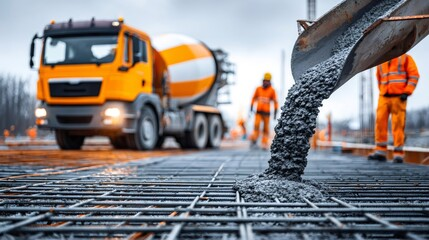
Why Concrete Remains the Backbone of Construction Projects

Concrete

Concrete is a key part of many infrastructure projects, such as bridges and highways. It’s also an important building material in homes and commercial buildings, where GK Construction Solutions continues to deliver high-quality results using durable and efficient concrete applications.

Unlike other materials, concrete can be poured into any shape and is inexpensive to produce. Its durability reduces maintenance and insurance costs over the life of a structure, making it a cost-effective choice.

Strength

Concrete might not be as slick as glass or as shiny as steel, but its enduring strength and low maintenance requirements keep it at the forefront of commercial, residential and infrastructure construction projects worldwide. From high-rise office buildings and shopping malls to hospitals, schools, apartment complexes and even bunkers, concrete is the foundation of modern life.

The basic ingredients of concrete are cement, sand and gravel or crushed stone (fine and coarse aggregate). During the mixing process, water is added to form a gel-like substance known as paste that binds the aggregates together. The proportions of these components are adjusted depending on the type of concrete being made. Concrete mixes also contain additives called admixtures, which can be used to improve workability, enhance durability, control setting time or provide resistance to certain environmental conditions.

Once mixed, concrete can be poured into molds or forms and allowed to set under controlled conditions. It can also be shaped into structural components and used in combination with other materials to create composite structures.

Due to its composition, concrete is durable and resistant to corrosion. This characteristic makes it the ideal material for long-span bridges and other infrastructure projects, as well as a vital part of road construction.

Another important benefit of concrete is its fire resistance. Its dense nature prevents fires from spreading quickly and helps save lives in emergency situations. Additionally, concrete is able to regulate internal temperatures which reduces the need for robust heating and cooling systems in buildings and other structures.

Durability

Concrete is the backbone of modern infrastructure, from roads to bridges and high-rise buildings. It withstands heavy loads, extreme temperatures, and corrosive environments, making it ideal for projects of all shapes and sizes. It is also highly versatile, with builders able to shape and mould concrete into many different designs.

This durability has made concrete the go-to choice for builders across the world, from ancient Roman aqueducts to today’s skyscrapers. The strength of concrete is unmatched by any other material, and advances in technology continue to push the boundaries of what this versatile material can achieve.

The key to concrete’s strength lies in the way it is created and cured. The mix contains a combination of cement, water, and aggregates like sand, gravel, and crushed stone. The aggregates provide bulk and structural strength while the cement paste binds everything together and gives concrete its durability. Concrete can be further strengthened with the use of admixtures, which are added to improve workability, increase strength, control setting time, and enhance resistance to certain environmental conditions.

While concrete is known for its compressive strength, it can also be used to withstand shear and tensile stress. Shear stress is the force that a structure experiences when it is pulled at an angle. While concrete can withstand shear stress, it is not as resilient against tensile stress, which is why most structures that need to withstand tensile forces are reinforced with steel.

Compared to other building materials, concrete is comparatively cheap and easy to work with. It requires few processing steps and can be mixed at a central plant, then transported to construction sites as precast slabs or blocks. It is also incredibly safe to work with, as long as basic precautions are followed.

Versatility

Concrete is a versatile construction material that can be molded to fit a variety of design specifications. It can be poured into a mold and shaped to create a specific structure or can be used as an additive to existing structures, such as adding strength or aesthetics. Its versatility makes it an ideal building material for both residential and commercial projects.

Concrete can withstand a variety of conditions, including heavy loads and extreme temperatures. As a result, it is an essential part of many infrastructure projects, such as roads, bridges and tunnels. Concrete also has an impressive lifespan and can withstand a great deal of wear and tear.

The durability of concrete is why it remains the backbone of modern construction. From the roads you drive on to the buildings that house your family, concrete is a key component in our modern lives.

In addition to its durability, concrete is relatively easy to work with and offers a variety of benefits to builders. For example, it doesn’t absorb moisture easily and is resistant to pests. It is also fire-resistant and has good insulating properties. In addition, it is relatively inexpensive and can be shaped into a variety of designs to suit different needs.

The most common form of concrete is a mix of cement, water and aggregates like sand or gravel. This mixture can be poured into a mold or formed into precast concrete slabs in a factory, or it can be transported to the construction site for pouring. Its consistency can vary from a fluid slurry to a stiff mix before it reaches its final state of solidity. This consistency affects how the concrete can be moulded and its ability to withstand mechanical means of placement, such as pumping or spraying.

Sustainability

Concrete is one of the most popular construction materials for its strength and durability. It can withstand heavy loads and extreme weather conditions, making it ideal for large projects like roads and bridges. It also has an impressive lifespan, and if properly designed and built, it can last for decades. Unlike other materials, such as wood or steel, concrete is non-combustible, which makes it safer for structures that may be subject to fires. It can also resist corrosion and moisture, which reduces maintenance costs over time.

The massive amount of concrete that is used globally translates into high embodied carbon emissions, but new concrete technology can reduce these emissions and make it more sustainable. For instance, recycled aggregates help cut down on the use of new resources and save on transport. The use of rebar and precast concrete can also reduce waste and help speed up project completion. And innovative technologies such as self-healing concrete can make buildings last 50% longer, saving owners on maintenance costs.

Concrete’s versatility also helps to create jobs in the construction industry. From the skilled laborers involved in mixing and pouring to engineers and architects designing innovative structures, concrete is a major job creator. Moreover, its pervasive presence in construction contributes to economic development, as it is essential for building cities and modernizing infrastructure.

Concrete’s sustainability can be improved by using supplementary cementitious materials (SCM) to replace part of the cement content in concrete mixes. For example, fly ash, which is a byproduct of coal power generation, can be used as a replacement for some of the cement content in concrete mixtures. This can drastically reduce the embodied carbon in concrete while maintaining or improving its performance.

Job creation

Concrete is a key ingredient in the foundation and walls of buildings, and it can be moulded into many shapes to suit architectural designs. It’s also a crucial element in infrastructure projects like road and bridge construction, providing the strength and stability that builders rely on. Concrete is also incredibly durable, and it can withstand heavy traffic and extreme weather conditions for decades.

Concrete’s pervasive presence in the industry directly contributes to job creation, as it requires a variety of skilled workers to mix, transport, and pour the material. In addition, engineers and architects who design innovative concrete structures also create jobs.

It’s also environmentally friendly, with low energy and water consumption during production and curing. Its thermal mass properties help regulate temperature fluctuations on-site, further reducing energy costs. Moreover, concrete can be modified to achieve specialized characteristics with the use of additives. These are called admixtures and can alter the fluidity of the concrete paste, increase or decrease its setting time, or enhance its durability.

While standard concrete is made from a simple mixture of cement, water, and aggregates such as sand or gravel, it can be engineered for a variety of specialized applications. For example, high-strength concrete is used to construct tall buildings, and fiber-reinforced concrete improves its strength and durability.

The ingredients in concrete are easy to find and affordable, making it a cost-effective building material. In terms of safety, it’s one of the safest materials to work with, provided that basic precautions are followed. Furthermore, concrete can be customized to meet the specific needs of each project, ensuring that it will stand up against the elements and heavy traffic for years to come.